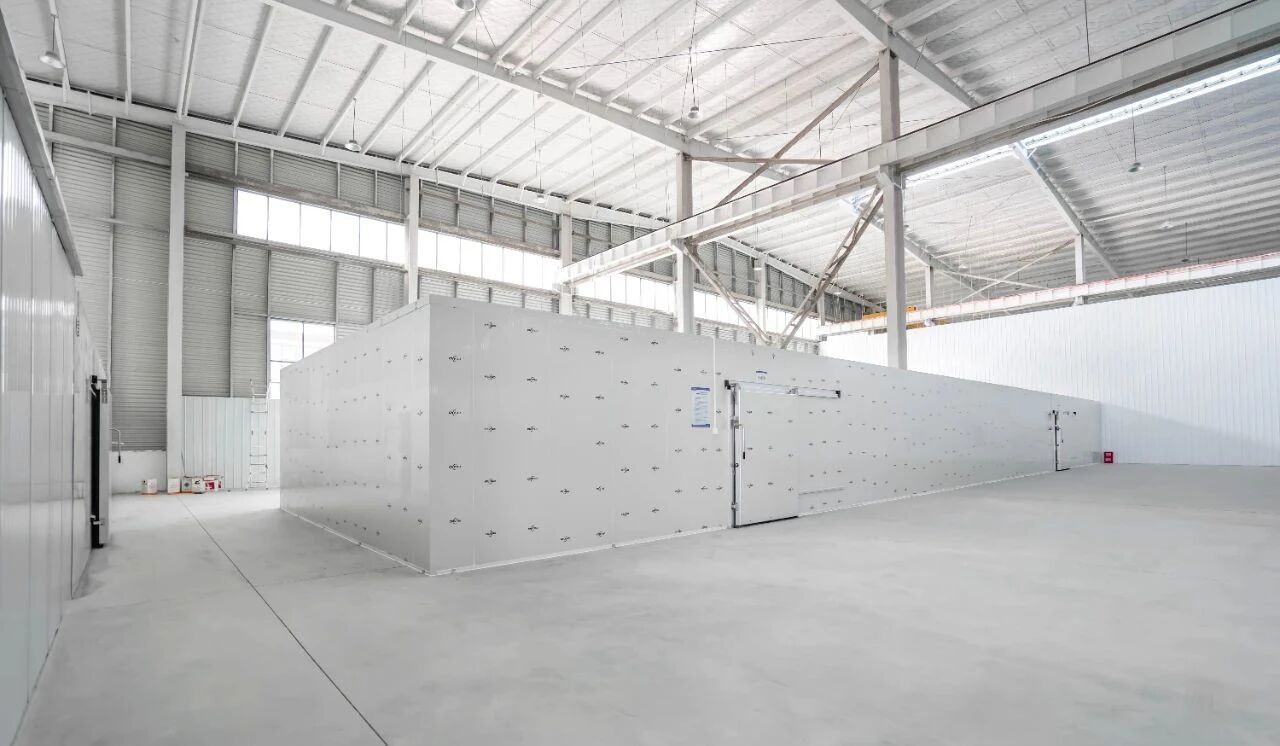
With the promulgation of national and local policies, ready-to-eat meals have become an important means for local governments to invigorate the economy and facilitate the deep processing of agricultural products. A large amount of social resources and capital have flooded into the ready-to-eat food industry, and the industry's business forms have gradually shown a diversified development trend. According to relevant reports, it will reach 1,072 billion yuan in 2026. What specific information is there? Let's take a look together with Fland.
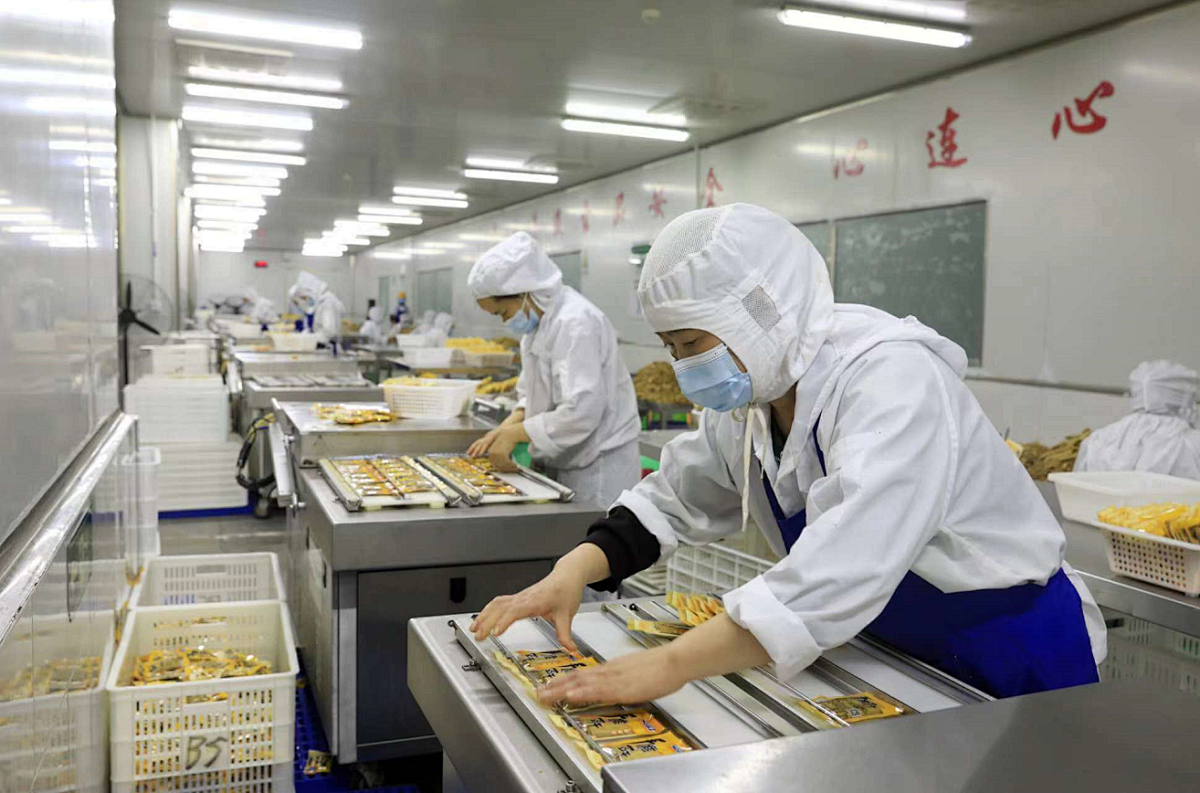
01 The development space of the Chinese ready-to-eat food market size:
Data from iiMedia Research shows that the market size of ready-to-eat meals in China was 419.6 billion yuan in 2022, increasing by 21.3% year-on-year. It is expected that the market of ready-to-eat meals in China will maintain a relatively high growth rate in the future, and the market size of ready-to-eat meals will reach 1,072 billion yuan in 2026. Ready-to-eat meals have effectively reduced the operating costs of restaurants, catering to the current consumers' demands for convenient and nutritious diets, and have attracted major chain restaurant brands to enter the market and make their moves.
02 Development trends: Diversification and standardization
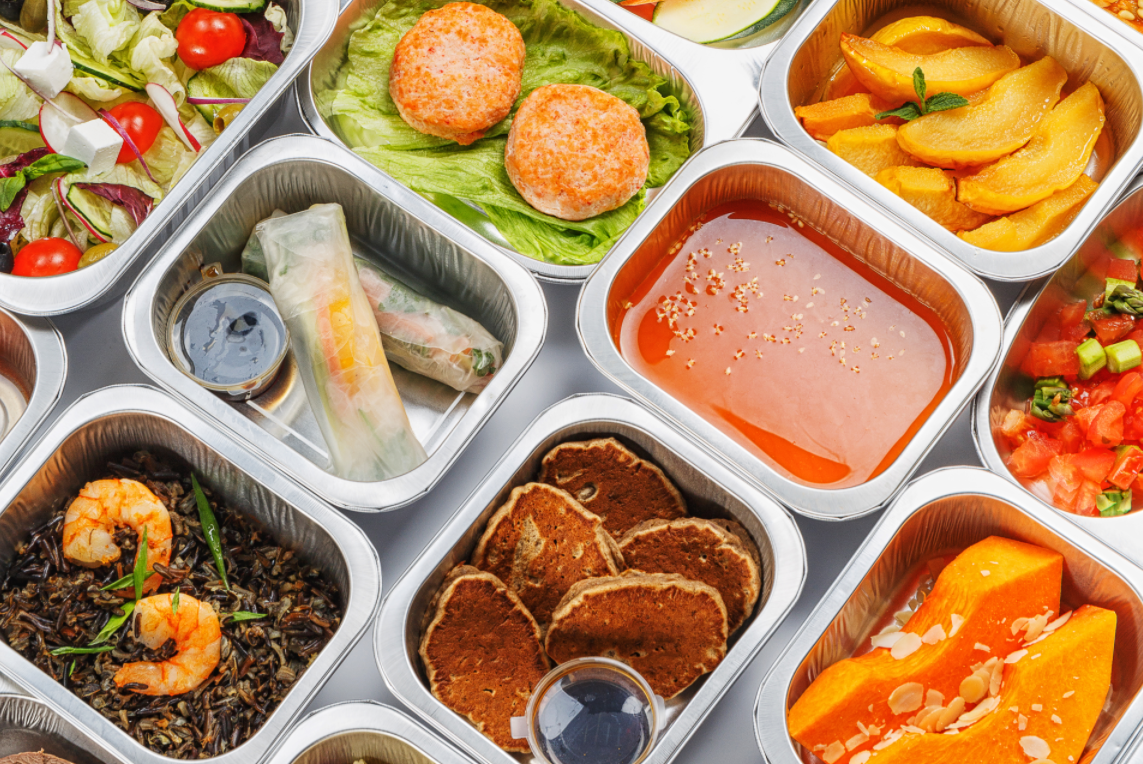
There are a wide variety of Chinese dishes, and the dietary structures vary from region to region. It is difficult for a single enterprise to cover all aspects. There are still considerable opportunities in niche categories, and the industry's business forms are gradually showing a diversified development trend. With the country's increasing emphasis on the ready-to-eat food industry, local governments, organizations and enterprises have successively introduced industry standards for ready-to-eat food, further promoting the standardized development of the industry.
03 Key B-end market: chain catering industry
Data from iiMedia Research shows that in new first-tier cities, chain catering enterprises have the largest distribution of stores, accounting for 23%. Secondly, there are also relatively more first-tier cities, accounting for 11%. Overall, cities at or above the second-tier level have cumulatively reached a proportion of 55%. Their economic strength and residents' consumption capacity are far stronger than those of other cities, and many catering chain enterprises have set up their presence there.
04 The space in the lower-tier markets is huge
Data from iiMedia Research shows that among the people who are very fond of ready-to-eat meals, the majority are from first-tier and new first-tier cities, accounting for 35.2% and 24.1% respectively. Among the people who prefer ready-to-eat meals, nearly 80% belong to first-tier, new first-tier cities and second-tier cities. Among those who are not very fond of ready-to-eat meals, 75% come from second - and third-tier cities. At present, first-tier and new first-tier cities have a relatively high economic level, a fast pace of life, and a good acceptance of ready-to-eat meals. The economic level of second - and third-tier cities is relatively weak, and the pace of life is relatively slow, so the demand for ready-to-eat meals is not high. With the change in consumption concepts in the lower-tier markets and the deepening understanding of ready-to-eat meals, the ready-to-eat meal industry also has considerable room for development in these markets.
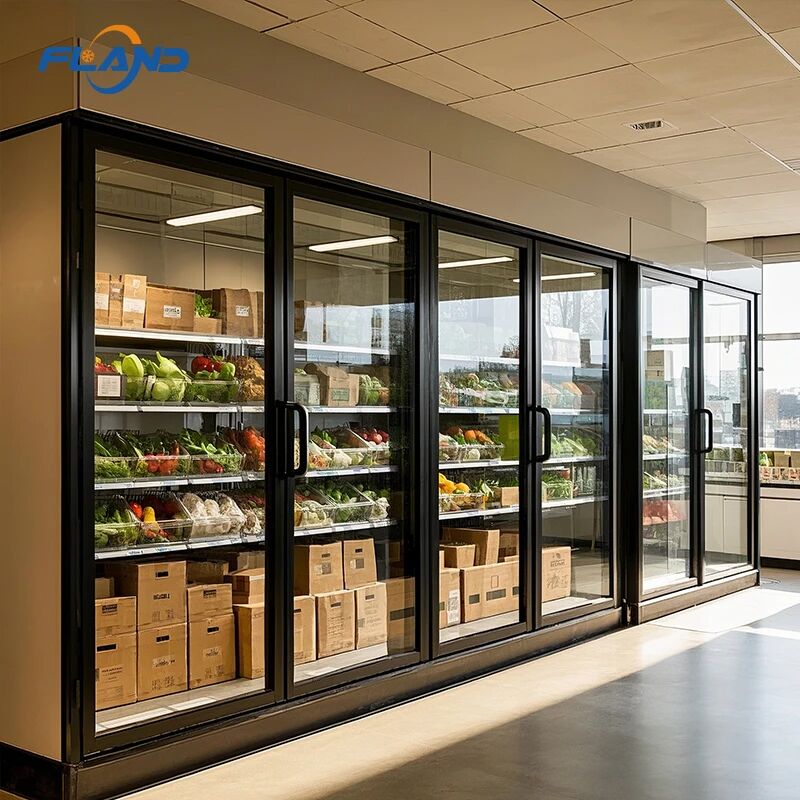
With the intensification of market competition, consumers' demands for quality and taste are getting higher and higher, and ready-to-eat food enterprises are also facing numerous challenges. Cold storage facilities are the core infrastructure in the production chain of ready-to-eat food enterprises. They not only ensure food safety and quality but also support large-scale production, flexible supply and cost optimization. They are a key link for the industry to achieve efficient operation. A highly efficient and stable cold storage facility not only extends the shelf life of goods and inhibits the growth of microorganisms, but also facilitates large-scale production and inventory management, especially having greater advantages in raw material reserves, temporary storage of semi-finished products, and buffer inventory of finished products. At the same time, it can better maintain the taste and nutrition of food and ensure the stability of the supply chain.