The durian, Southeast Asia's revered "King of Fruits," inspires passion like no other. Its complex, pungent aroma and custard-like flesh are a unique culinary experience. However, this regal fruit is notoriously perishable. Delivering its peak flavor and texture to distant markets, especially in its prized frozen form, demands an unbroken, specialized cold chain – a logistical ballet of precise temperature control from orchard to consumer.
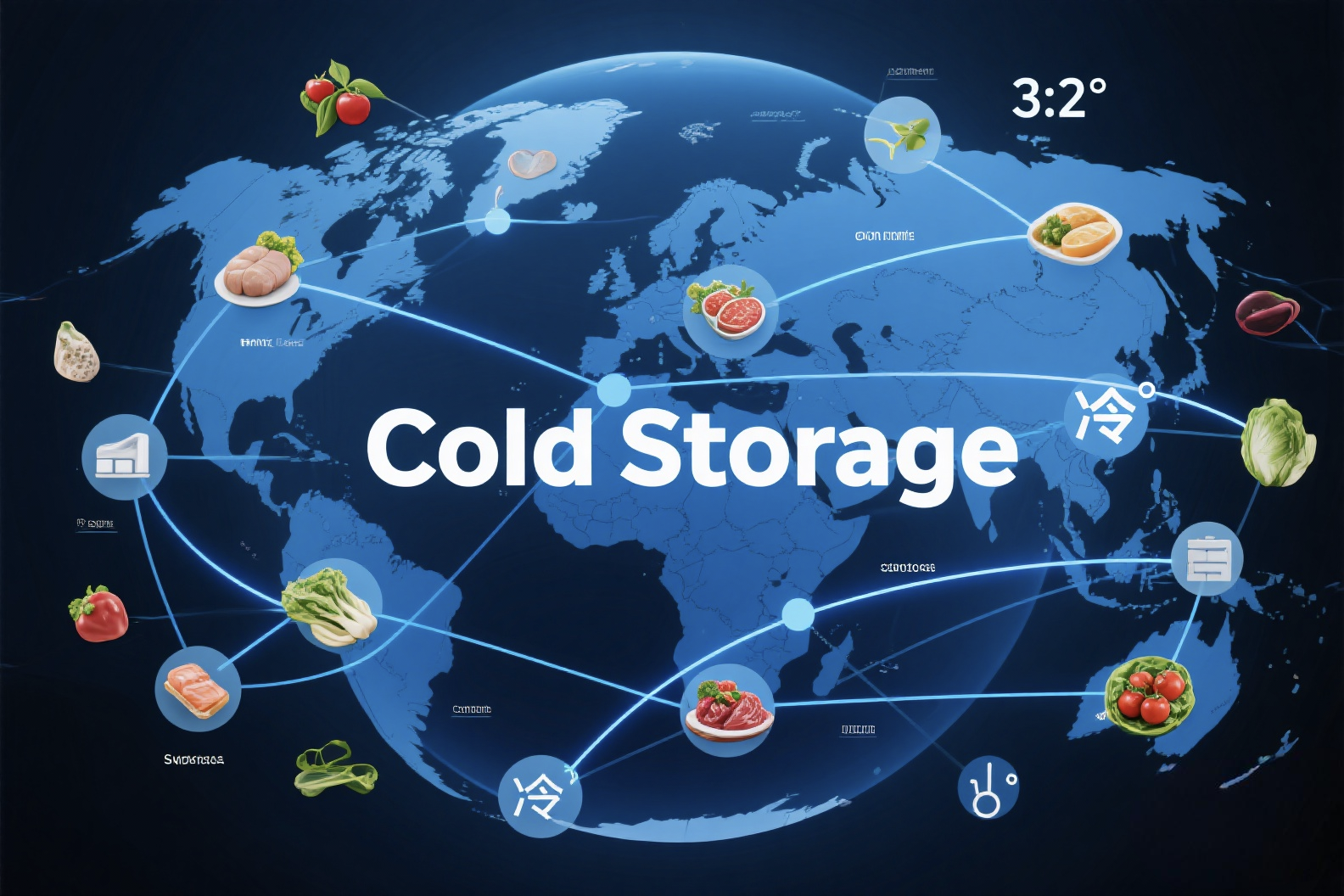
The Challenge: A Race Against Ripeness & Odor
Durian's high sugar content and intense metabolic activity make it extremely susceptible to over-ripening, fermentation, and texture degradation at ambient temperatures. Its potent odor also presents a unique challenge, requiring containment during transport and storage to prevent cross-contamination with other goods. For frozen durian (increasingly popular for export and year-round availability), the challenge shifts to **preventing large ice crystal formation** that destroys the delicate creamy texture upon thawing.

The Cold Chain Solution: Precision Every Step of the Way
1. Pre-cooling & Processing (Origin): Immediately after harvest at peak ripeness, durians must be rapidly pre-cooled. For frozen pulp or whole fruit, processing (husking, packing) happens swiftly in chilled environments (<10°C/50°F) before **rapid Individual Quick Freezing (IQF). IQF is crucial – it freezes the fruit so fast that only tiny ice crystals form, preserving cell structure and texture.
2. Refrigerated Transport: Whether shipping fresh or frozen, temperature control is non-negotiable.
Fresh Durian: Requires strict 15-18°C (59-64°F) transport with high humidity. Even minor deviations accelerate spoilage and off-flavors. Specialized refrigerated containers with air filtration may be needed to manage odor.
Frozen Durian: Must be maintained at a consistent -18°C to -22°C (0°F to -8°F) throughout the journey. Any temperature fluctuation ("thermal abuse") causes partial thawing and re-freezing, leading to large, destructive ice crystals and mushy texture.
3. Cold Storage & Last-Mile: Upon arrival, durians need immediate transfer to appropriate cold storage facilities – chilled rooms for fresh, deep-freeze warehouses for frozen. The final leg of delivery to retailers or consumers also requires refrigerated vehicles. For frozen durian, insulated packaging with sufficient dry ice or gel packs is vital for home deliveries.

Why the Cold Chain is Non-Negotiable
Investing in a robust, unbroken cold chain for durian is essential for:
Preserving Quality: Maintaining the signature creamy, custard-like texture (especially for frozen) and preventing off-flavors or fermentation.
Extending Shelf Life: Enabling global distribution and reducing spoilage losses.
Ensuring Food Safety: Minimizing microbial growth risks.
Meeting Market Expectations: Consumers worldwide demand durian that tastes as good as it does fresh in its region of origin. A compromised cold chain leads to disappointment and brand damage.
The Fragile Crown
Transporting the King of Fruits is a significant undertaking. The complex interplay of rapid processing, precise temperature ranges, specialized freezing techniques, odor management, and unwavering consistency throughout the journey defines a successful durian cold chain. It's a sophisticated infrastructure dedicated to one goal: delivering the unique, unadulterated experience of perfect durian, frozen or fresh, to tables far from the tropics. For exporters and importers, mastering this cold chain isn't just logistics; it's the key to unlocking the fruit's global crown.